

The human brain is incredibly complex, and no two are exactly alike. For a long time, society has had a narrow view of what’s “normal” when it comes to how people think, learn, and behave. But this is changing. We are beginning to understand and embrace the idea of neurodiversity—the natural variation in human brains.
This guide will offer a compassionate look into the world of neurodivergence. You’ll learn what it means to be neurodivergent, explore some common types of neurodivergence like ADHD and Autism, and understand how it can affect mental health. By the end, you’ll have a clearer picture of what support looks like and how to take the next step if you or a loved one needs guidance.
Divergent or neurodivergent symbol. Concept words Divergent Neurodivergent on wooden blocks. Beautiful orange table orange background. Divergent or neurodivergent concept. Copy space.

What Does Neurodivergent Mean?
“Neurodivergent” is a non-medical term used to describe people whose brains process information differently than what is considered “typical” (also known as neurotypical). It’s not about being “abnormal” or “deficient.” Instead, it recognizes that differences in brain function are a natural part of human diversity.
Being neurodivergent means your brain may have unique strengths, perspectives, and challenges. This can affect how you learn, communicate, experience emotions, and interact with the world around you. It is a fundamental part of who a person is.
Common Types of Neurodivergence
Neurodivergence is an umbrella term that covers a wide range of conditions. While each person’s experience is unique, here are some of the most common types.
Attention-Deficit/Hyperactivity Disorder (ADHD)
ADHD is one of the most well-known types of neurodivergence. It often involves a persistent pattern of inattention, hyperactivity, and impulsivity that interferes with daily life.
- Inattention: This can look like difficulty staying focused, being easily distracted, or struggling with organization and time management.
- Hyperactivity: This might involve fidgeting, an inability to stay seated, or feeling a constant sense of internal restlessness.
- Impulsivity: This can manifest as making quick decisions without thinking them through or interrupting others frequently.
Autism Spectrum Disorder (ASD)
Autism is a complex developmental condition that affects how a person communicates, interacts with others, and experiences the world. Because it is a spectrum, it shows up differently in everyone.
Common characteristics of Autism can include:
- Challenges with social communication and interaction.
- Repetitive behaviors or highly focused interests (often called “special interests”).
- Sensitivity to sensory input like sounds, lights, or textures.
Dyslexia / Learning Differences
Dyslexia is a specific learning difference that primarily affects reading and language skills. People with dyslexia often struggle with decoding words, spelling, and recognizing sounds. It is important to know that dyslexia has nothing to do with intelligence. With the right support, individuals with dyslexia can be highly successful.
Dyspraxia
Dyspraxia, also known as Developmental Coordination Disorder (DCD), affects physical coordination. It can cause a person to appear “clumsy” and struggle with tasks that require balance and fine motor skills, like writing or tying shoelaces. It can also impact organization and planning.
Other Types of Neurodivergence
The list above is not exhaustive. Other conditions that fall under the neurodivergent umbrella include:
- Tourette Syndrome: A condition involving involuntary, repetitive movements or sounds called tics.
- Dyscalculia: A specific learning difference affecting a person’s ability to understand numbers and math concepts.
- Dysgraphia: A learning difference that affects writing ability, including handwriting, spelling, and putting thoughts on paper.
What to Do If You Suspect You Are Neurodivergent
Embarking on a journey of self-discovery is a powerful act—one that can open doors to new understanding, support, and growth. If you find yourself wondering whether you might be neurodivergent, here are some steps you can take to empower yourself along the way:
- Start with Self-Reflection: Take time to notice your strengths, challenges, and unique traits. Reflect on your experiences with learning, communication, and daily life. Sometimes even writing down your thoughts or talking with trusted friends can bring valuable insight.
- Consider a Professional Evaluation: Reaching out to a qualified professional—such as a psychologist, psychiatrist, or neurodevelopmental specialist—can provide clarity and help you access resources or accommodations. Remember, seeking answers is a sign of strength, not weakness.
- Prioritize Rest and Self-Care: Discovery and diagnosis can feel overwhelming! Give yourself permission to rest, recharge, and process any emotions that come up. Your well-being matters every step of the way.
- Connect with Others: Community is a powerful tool. Reach out to support groups or online communities where you can share experiences, ask questions, and gain encouragement from people who truly understand.
- Explore Accommodations: If you move forward with a diagnosis, research the kinds of workplace or educational accommodations that could make life easier and more fulfilling for you. Even small changes can have a big impact.
You deserve support, understanding, and the freedom to thrive as your authentic self.
Frequently Asked Questions
Can neurodivergence change over time?
Traits of neurodivergence may change or evolve as a person grows, gains support, or develops coping strategies. With the right guidance and resources, many people discover new strengths and ways to thrive. The journey isn’t about “fixing” differences—it’s about understanding and working with them to unlock your full potential.
How can I support a neurodivergent friend or family member?
The most powerful thing you can do is listen with openness and empathy. Take time to understand their perspective and experiences. Communicate clearly, offer patience, and create a space where they feel comfortable being themselves. Small acts of understanding—like asking about sensory preferences or offering quiet time—make a big impact. Being inclusive and encouraging authenticity goes a long way toward building deeper connections.
What are the strengths of being neurodivergent?
Neurodivergent individuals bring fresh perspectives, creativity, out-of-the-box thinking, and unique problem-solving abilities to any situation. Many have an amazing attention to detail, hyperfocus on passions, or deep empathy for others. These strengths fuel innovation and help drive progress in every field.
How Neurodivergence Affects Mental Health
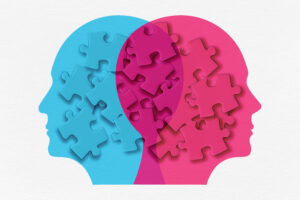
Living in a world that is often not designed for your brain can take a toll on your mental health. Neurodivergent individuals are more likely to experience conditions like anxiety and depression.
This can happen for several reasons:
- Social Challenges: Feeling misunderstood or struggling to fit in can lead to feelings of isolation and low self-worth.
- Sensory Overload: Constant overstimulation from the environment can be overwhelming and exhausting.
- “Masking”: Many neurodivergent people feel they have to hide their true selves to conform to neurotypical expectations. This constant effort, known as masking, can be mentally draining.
It’s crucial to have a safe space to process these feelings and develop coping strategies that honor your unique neurotype.
Therapy and Support Options for Neurodivergent Individuals
Therapy can be a powerful tool for neurodivergent individuals and their families. The right therapist provides a non-judgmental space to explore challenges, celebrate strengths, and build a life that feels authentic and fulfilling.
At Beckner Counseling, our approach is always compassionate, relatable, and personalized. We offer several types of support:
- Individual Therapy: We work one-on-one with children, teens, and adults to develop personalized treatment plans. Our therapists, like Matthew Rich and Amy White, specialize in ADHD, Autism, and neurodivergence. They use approaches like Cognitive Behavioral Therapy (CBT) and Acceptance and Commitment Therapy (ACT) to help clients thrive.
- Family Support: We understand that when a child is neurodivergent, it impacts the whole family. We provide guidance and support for parents of neurodivergent children, helping them navigate challenges and build stronger connections.
- A Welcoming Space: Above all, we offer a safe, inclusive environment where you can feel understood and accepted for who you are.
Finding a therapist who “gets it” is the most important step. That’s why we start with a consultation call—to ensure we are the right fit for your needs.
Resources
Empowering yourself with knowledge and the right support can make all the difference on your neurodivergent journey. Here are some valuable resources to help you, your loved ones, or your community better understand and embrace neurodiversity:
- Diagnostic and Statistical Manual of Mental Disorders (DSM-5): The primary reference tool used by clinicians for understanding and diagnosing neurodivergent conditions. Learn more about the DSM-5.
- Support Organizations:
These resources can offer education, connection, and hope—no matter where you are on your journey.
Embrace Your Unique Brain
Neurodiversity is a beautiful and essential part of the human experience. Whether you identify as neurodivergent or are supporting a loved one, remember that different is not less. With understanding, compassion, and the right support, everyone can reach their fullest potential.
If you are ready to take the next step, we are here to help. Our team at Beckner Counseling is passionate about supporting the neurodivergent community in Leesburg, VA, and beyond.
Schedule a complimentary consultation call with us today to discuss your needs and see how we can guide you on your journey.