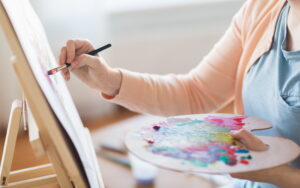

When you try to explain what you are going through, language can fall short. Certain feelings rest deep in our bodies and memories, hiding in the quiet gaps between what we experience and what we can actually say aloud. That is part of what makes the benefits of art therapy so meaningful as it offers a gentle, alternative path to explore those hard-to-reach places.
Together, we can explore how art therapy works, what sets it apart from standard art-making, and how it may offer meaningful support for your healing and growth.
The Science Behind Art Therapy: How It Works
Unlike a casual craft session, art therapy is a guided therapeutic process. We guide this process carefully to engage your brain’s natural ability to manage emotions through creativity. When you make something with your hands, you activate neural pathways linked to emotional regulation and memory. This helps you tap into and process heavy feelings that you might find hard to speak about directly.
For instance, putting a shape or color to a feeling helps bring it outside of yourself. You get a tangible object to look at and understand, which proves incredibly helpful if you are moving through trauma, anxiety, or depression.
Key Benefits of Art Therapy for Mental Health
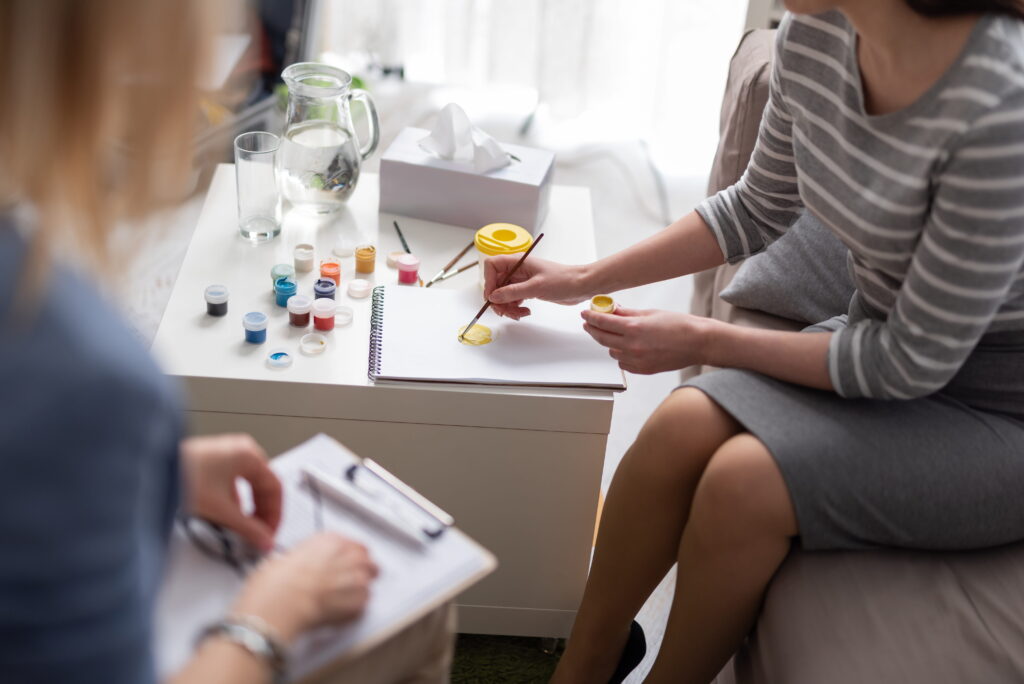
Art therapy can offer support in several meaningful ways. It creates space for emotional expression when words feel hard to find, while also helping calm the nervous system through gentle, hands-on creativity. As you move through the process, you may begin to notice new patterns, needs, and feelings with greater clarity, building a deeper sense of self-awareness. Over time, these moments of expression and reflection can become part of a healing process that feels more grounded, compassionate, and personal.
- Emotional expression when words feel hard: Art therapy offers a gentle way to express thoughts and feelings that may be difficult to say out loud, helping you feel seen, understood, and more connected to your inner experience.
- Stress relief and nervous system regulation: The creative process can help slow the body and mind, offering a calming outlet that supports emotional regulation and brings a greater sense of safety and steadiness.
- Greater self-awareness: As you create, you may begin to notice patterns, emotions, and needs with more clarity, opening the door to deeper understanding and compassion for yourself.
- Support for healing and personal growth: Art therapy creates space for reflection, resilience, and meaningful change, helping you move through challenges at your own pace while building confidence in your ability to heal.
Art Therapy Techniques You Can Try at Home
Partnering with an experienced counselor often creates the deepest support, but you can also try simple exercises on your own to experience the grounding effects of creativity. For many people, this can be a gentle introduction to creative therapy for mental health, offering a supportive way to slow down, reflect, and reconnect with yourself. Here are a few accessible ideas:
- Emotion Mapping: Pick colors and shapes to show how your body feels right now.
- Collage Journaling: Paste magazine clippings together to build a visual picture of your thoughts.
- Clay Work: Mold and press clay to release physical tension you might be holding.
- Free Drawing: Let a pen drift across a page without worrying about what the final picture looks like.
These small steps do not replace clinical support, but they offer a wonderful starting point for self-reflection.
Art Therapy for Emotional Expression: Beyond Words
Finding the right phrases to describe grief, fear, or deep pain is incredibly hard. Many of us find that language simply fails us during our toughest moments. A creative practice provides a gentle outlet for the things that live beyond everyday speech.
By creating, you give yourself a safe, welcoming space to look at your emotions without judgment. Over time, this brings forward a deeper awareness of yourself, offers emotional relief, and can even spark moments of profound clarity.
Who Can Benefit from Art Therapy?
This path is open to everyone. You might be managing a specific mental health hurdle, or you might just want a fresh way to understand yourself better. We meet you exactly where you are. We find this approach especially supportive for:
- People sorting through trauma or grief: Art therapy can offer a gentle way to approach painful experiences when words feel too hard or too sharp. The creative process helps bring emotions into view at a pace that feels safer and more manageable.
- Those dealing with anxiety or depression: Creating with your hands can support grounding, emotional release, and a greater sense of calm. For many people, it becomes a meaningful way to process heavy feelings and reconnect with themselves little by little.
- Neurodivergent individuals: Art therapy can provide supportive, nonverbal ways to express thoughts and emotions, especially when traditional conversation feels limiting. As Psychology Today highlights, it’s a powerful tool for self-discovery and emotional healing without relying solely on words. It can also be tailored to sensory needs, help with regulation, and create a personalized space that honors how each person experiences the world.
Art Therapy vs Therapeutic Art: Understanding the Difference
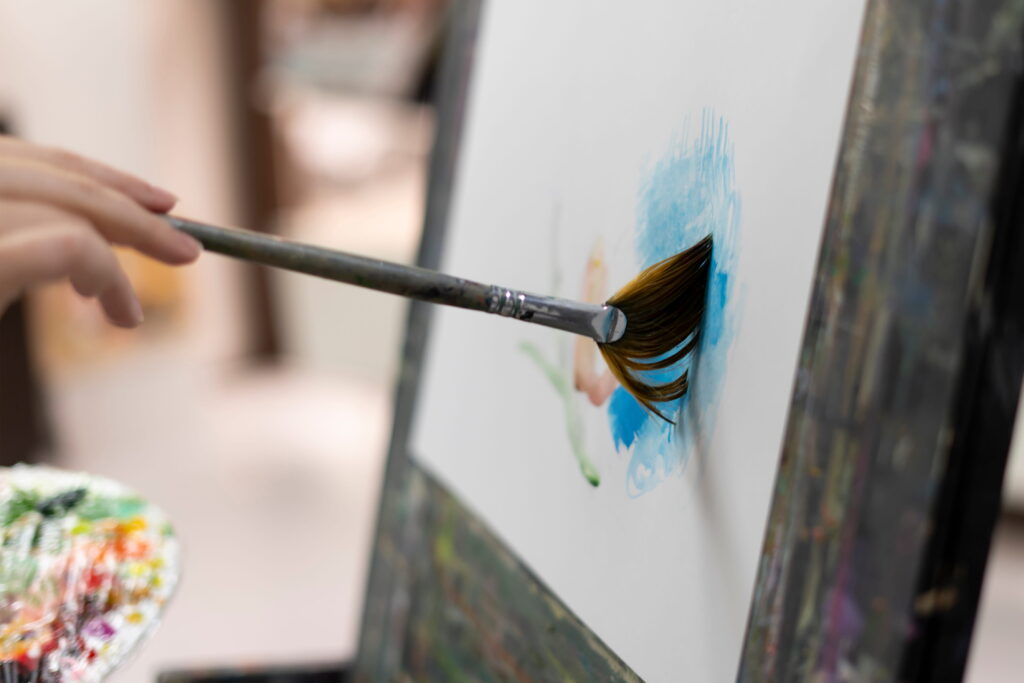
People often wonder about art therapy vs therapeutic art and how a clinical session differs from coloring or painting at home. Both use creativity, but a trained professional guides clinical art therapy to support deeper emotional healing. On the other hand, therapeutic art-making may include things like mindful journaling or painting to relax on a Sunday afternoon.
The main difference between the two is the support that’s provided. A clinical session builds a structured, supportive relationship to help you heal, while independent art-making serves as a great tool for personal self-care.
How to Get Started with Art Therapy
You do not need a perfect plan to begin. At Beckner Counseling, we provide a complimentary consultation so you can see if this path feels right. If you want to learn more about our art therapy services, you may also work with Stephanie Watson, our Resident Art Therapist, if you choose to explore this support here. We are here to support you, whether you are stepping into a counseling office for the first time or adding a new layer to your current care.
Frequently Asked Questions About Art Therapy
Can I try art therapy if I am not artistic?
Absolutely. This approach is not about creating “good” art. The focus stays entirely on the process of creating and what that reveals for you. You need zero artistic skill, and many clients feel relieved precisely because there is no pressure to perform.
How is art therapy different from just making art on my own?
While making art on your own can feel calming and meaningful, art therapy happens with a trained therapist who uses the creative process with clinical intention. Unlike regular talk therapy, which relies mostly on conversation, art therapy offers another way to explore feelings that may be hard to name. The two can work beautifully together, with art therapy adding a creative path for insight and expression alongside the support of talk therapy.
Can art therapy help with physical symptoms of stress?
Yes. Using your hands to create can deeply calm your nervous system. This helps reduce the physical signs of stress, like a racing heart or tight muscles.
Is art therapy only for children?
No. Art therapy is effective across the full lifespan , children, adolescents, adults, and older adults all benefit. While it is particularly well-known in pediatric and school settings, art therapy for adults is equally well-established and widely practiced in individual, group, and clinical settings.
How do I know if art therapy is right for me?
If you want to explore your emotions in a new way, or if standard talk therapy has not fully met your needs, this could be a great fit. A brief chat with a trained art therapist can help you figure out if this is the right next step.
Can art therapy techniques be part of traditional talk therapy?
Art therapy can be woven into traditional talk therapy. Some sessions may focus on conversation, while others can use creative techniques to support emotional expression and reflection. Stephanie is trained in both, so clients benefit from a grounded therapeutic relationship with the option of creative tools when helpful.